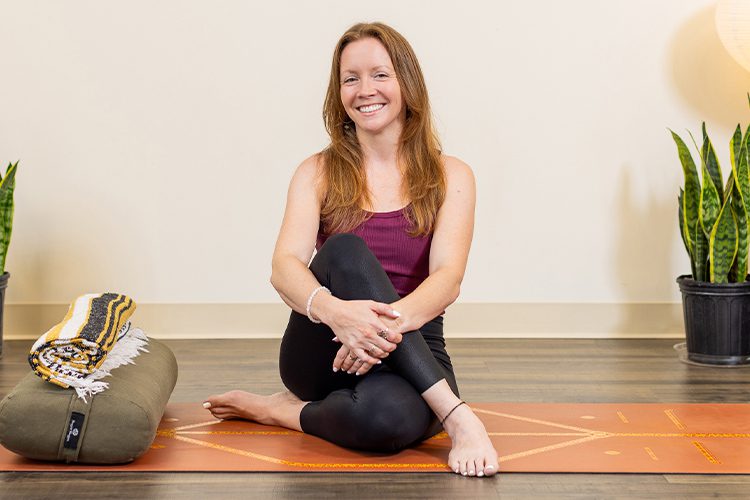
We’ve all had the feeling of being unsettled while dealing with something stressful or difficult. For those who get stuck in that place, Nicole Chetcuti can help. She specializes in nervous system regulation, recovery and embodied living through body-based, present-moment approaches, especially for clients who are working on healing from trauma. She shares with us more about her work to help others return to a safe space within their bodies and minds.
Tell us about what somatic therapy is.
Somatic approaches help reintroduce the body into healing conversations that were once dominated by cognition, language and narrative alone. By paying attention to physical sensations, breath patterns, muscle tension and instinctive responses such as fight, flight, freeze or fawn, somatic work highlights something essential: the body responds to stress long before the mind can make meaning of it.
Over time, the term somatic has become increasingly broad and inconsistently used. What many people are actually working with, and often struggling with, is the nervous system itself. Chronic stress, anxiety, overwhelm and shutdown are not just psychological experiences; they are physiological states shaped by long-standing survival responses.
My work is centered on nervous system regulation and recovery. Rather than focusing on why something happened or relying on trauma narratives alone, I support individuals in learning how their nervous system activates, how to regulate during stress and how to return to safety in real time. This body-based, present-moment approach allows meaningful change to occur without forcing re-exposure to the past.
What drew you to becoming a trauma-informed practitioner?
My path into this work began with profound personal loss—the death of my brother—alongside my own lived experience of long-term survival mode. For much of my life, anxiety, burnout, perfectionism and emotional disconnection felt normal. I spent years in trauma-focused talk therapy, which gave me understanding and language, but something was still missing.
It wasn’t until I began working directly with my nervous system through body-based practices that real change occurred. I learned that insight alone doesn’t teach the body how to feel safe. Healing required a relationship with my internal sensations, my breath and the parts of myself that had learned to stay guarded in order to cope.
Training in somatic trauma work, hatha yoga, sound healing and mindfulness changed how I lived in my body. It helped me release tension I didn’t know I was carrying and reconnect with a sense of internal steadiness. That transformation ultimately led me to leave a twenty-year career and dedicate my work to helping others learn how to come home to themselves in the same way.
Tell us about what modalities you employ at Keep Aligning Within.
My work follows a structured progression that reflects how the nervous system builds capacity over time, from awareness, to regulation, to embodied integration.
The first level is Soul Diving™, a self-paced online course and guided workbook designed to support reflection, insight and self-awareness. This work helps individuals identify patterns and internal narratives without requiring nervous system intervention.
The second level is The Pit to Peace™, a one-on-one nervous system regulation program facilitated through present-moment, body-based work. This phase focuses on teaching the nervous system how to recognize activation, regulate during stress and return to safety without overwhelm.
The third level is Body-Led Living™, which supports the integration of these skills into daily life. This work is about embodiment: learning how to make decisions, set boundaries and live in alignment with the body’s signals rather than from chronic urgency or stress.
In addition to individual work, I facilitate group workshops throughout the Lehigh Valley that integrate nervous system education, mindfulness and body-based regulation practices.
What physical effects do stress and trauma have on the body?
Chronic stress and prolonged survival responses affect every system in the body. When the nervous system perceives an ongoing threat, cortisol remains elevated, digestion is disrupted, sleep becomes fragmented, muscles stay tense, breath shortens and emotional resilience declines.
Many people experience persistent anxiety, irritability, fatigue, depression, headaches, gastrointestinal issues or a sense of numbness or disconnection. These symptoms are not signs of personal failure; they are signals from a nervous system that has been working overtime to protect.
The nervous system is always asking one question: Am I safe? When the answer remains “no,” the body adapts in ways that can last for years. My role is to help clients gradually shift that internal response toward safety, allowing both the body and mind to recalibrate.
How can nervous system regulation help your clients heal from stress and trauma?
When the body feels safe, the mind settles. Nervous system regulation creates the internal conditions where clarity, emotional steadiness and connection become possible. As regulation improves, the breath deepens, muscles soften, emotions feel more manageable and people often report feeling more present and like themselves again.
Regulation is not about fixing who you are; it’s about restoring the body’s ability to respond rather than react. When that capacity returns, healing can unfold naturally and sustainably.
Describe your morning routine. Is there anything you can’t start your day without?
I’m an early morning person, and that quiet time has been a grounding ritual for over five years. I start with brief breathwork and a body scan before getting out of bed, allowing me to notice what’s present and respond to what I need before the day begins. I then move my body through yoga or a workout, which helps me feel awake and regulated before engaging with the world.
How about your nighttime routine?
My evenings are dedicated to downshifting. I dim the lights, make tea, play soft music and give myself time to unwind. Before bed, I check in with my body and respond accordingly. Nervous system regulation tools are simple once learned, yet their impact is profound. This ritual helps me end the day settled and prepares my body for restorative sleep.
What are a few healthy habits you try to practice throughout the day?
I stay aware of my breath, check in with my body before committing to anything, eat mindfully and allow rest without guilt when it’s needed. These small, consistent practices help me stay grounded and present. They form the foundation of Body-Led Living™, a way of living guided by the body rather than by pressure or urgency.
Do you have a personal mantra?
Yes, “Return.” It is simple and reminds me that no matter how far my mind drifts, I can always return to my body, my breath and myself. That return is where regulation begins.
What’s one takeaway you’d like to share?
If you have been surviving more than living and find yourself overwhelmed, anxious, exhausted or far from the person you know yourself to be, nothing is wrong with you. Your nervous system has been carrying your story. Healing begins when you slow down, listen inward and meet your body with compassion rather than judgment or shame. You are not broken; you simply have not yet been taught the tools that help you feel safe, connected and whole. If you are unsure where to begin, I offer complimentary consultations to support you in taking the first step. This is the heart of my work at Keep Aligning Within: guiding you toward a grounded, regulated, embodied life that finally feels like home.
Published as “Living Well With” in the March 2026 edition of Lehigh Valley Style magazine.