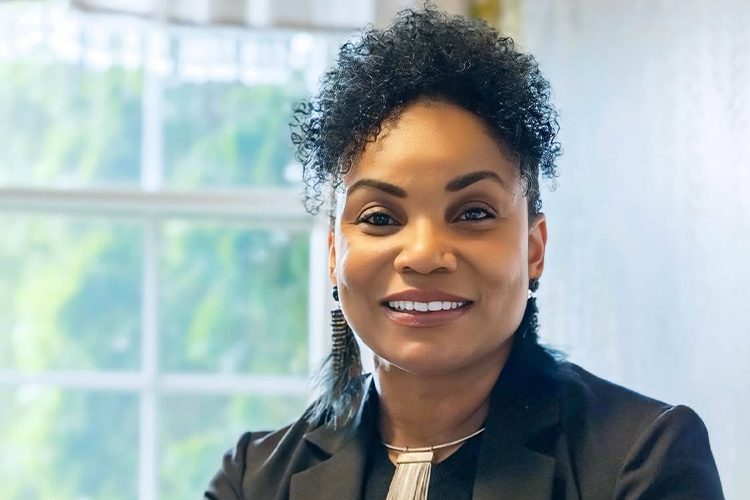
School’s out! It’s time for freedom, fun and flexibility—but what about the summer slide? Time away from the classroom can cause students’ hard-earned skills to fade. Fortunately, Dr. Abby Mahone of Moravian Academy offers expert guidance on navigating summer learning loss, and it doesn’t have to be a drag!

What and Why?
“It’s not about intelligence or motivation,” Mahone says of summer learning loss. “It’s about time away from structured learning. Children, especially in elementary school, tend to lose academic skills over summer break, simply because they’re not practicing them.”
Every child’s summer looks different. Some have access to books, educational camps or museum trips; others may not. Students with learning differences, those learning English as a second language or those who lack academic support at home are especially vulnerable. “For kids who are already struggling to keep up, summer can widen existing disparities,” Mahone says.
Socioeconomic factors do play a role, but libraries, free community events and engaged parents can go a long way toward keeping learning pathways limber. Any child who spends the summer by themselves scrolling TikTok is going to face academic atrophy, and those few months of inaction can transform into a lasting learning gap.
Long-Term Impact
Pennsylvania still hasn’t fully caught up on educational setbacks from the COVID-19 pandemic, highlighting how far-reaching the effects of slide can be. And summer learning loss—though less extreme—can have a cumulative impact.
“By the time a student reaches middle school,” Mahone says, “they may be significantly behind peers who had more consistent summer support.”
This gap can ripple into high school and beyond, influencing confidence, academic engagement and even long-term outcomes like job readiness and salary. A few months of inaction each year can quietly snowball into a lasting disadvantage.
Subjects That Slip: Math vs. Reading
Reading for fun strengthens vocabulary, background knowledge, critical thinking and imagination, and it’s easier to sustain the habit over the summer thanks to accessible materials—yes, that includes graphic novels and magazines! “Kids don’t have to read all Newbery Honor books,” Mahone says. “It’s great for kids
to read whatever they enjoy.” Reading four to six books over the summer will maintain a child’s reading level, while exceeding that number can move them ahead.
Mahone says that meanwhile, “multi-step problems and procedural skills like long division or fractions are especially easy to forget if they’re not enforced.” While reading or being read to will boost literacy, math and scientific concepts can be woven into the leisure months in ways that reinforce their usefulness. “Talk about managing money while planning a trip, budgeting, shopping, measurements in cooking, statistics in sports,” Mahone suggests. “Try to incorporate math into daily activities.”
You can always consult with your child’s teachers if you want input on setting realistic summer goals and expectations.
Routine, Not Rigidity
“Summer is a beautiful thing,” Mahone emphasizes. “I want families to totally embrace it.”
While you’re connecting, exploring and taking the time and space to experience things you can’t during the school year, remember that children thrive on predictable routines, even in a flexible season. Balancing play and fruitful boredom with light academic habits gives the best of both worlds.
Every household is unique. Some kids might thrive in summer school or math camp; others might read in the morning, play math games after lunch, and spend the rest of the day frolicking. “Consistency matters more than intensity,” Mahone says. “The goal isn’t to replicate school at home, or cram at the last minute, but to keep brains active in everyday ways.”
One of Mahone’s favorite strategies is to invite her kids to set their own goals. Her daughter set a summer goal to study Spanish—enough to read Spanish books aloud to her younger sister. That kind of self-motivated learning fosters confidence and agency.
Curiosity and Connection
Above all, model your own love of learning. “Whatever your kid’s into,” Mahone says, “follow them. Meet them there, get books on the subject, talk
about it. That will lead to more curiosity and connection.”
And when it comes to screen time, keep it supplemental. “I recommend being very thoughtful about how technology is used, what kids have access to and setting clear limits,” Mahone says. Kids reading about sea animals on a beach vacation can grab the iPad to find pictures of a shark. Targeted games or apps for little ones can reinforce phonics, but parental involvement is crucial. Hours of unsupervised Bluey binging is not it.
From nature walks and museums to family game nights and thoughtful conversations, there are countless ways to stay mentally active and have a good time doing it. “Summer is a powerful time for wonderful things,” Mahone says, “a different kind of learning that can be equally important.”
Published as “Ask the Expert” in the July 2025 edition of Lehigh Valley Style magazine.